Just because you do not see it does not mean it is not essential, especially regarding roofing. Underlayment is a barrier between the roof and the plywood base that supports the entire roofing structure. Underlayment in the past may have gone unnoticed because there was generally only one kind that all fell into the same family: asphalt, tar paper, or felt.
As things tend to be upgraded over time, more options were introduced. There are many underlayments available today, but synthetic and peel-and-stick are the most commonly used. Although these two underlayments are very similar, one may be superior to the other depending on your specific project.
Peel & Stick Underlayment
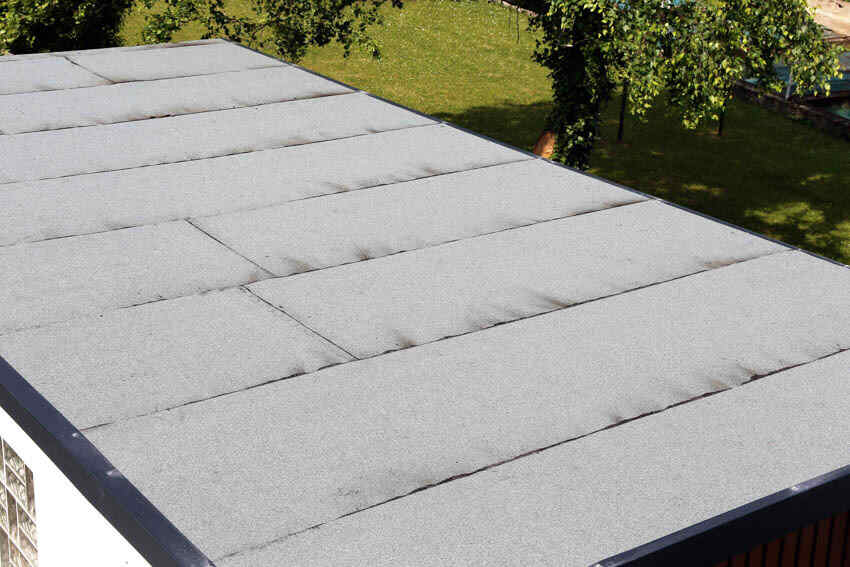
Peel-and-stick underlayments are made from a mixture of rubberized polymer blends and have become a popular choice among homeowners, especially in hotter and more humid areas. This underlayment is most commonly used for flat roofing and low-slope roofs.
A key feature of the peel-and-stick option is its long life expectancy. Because of the rubberized poly blends, peel-and-stick is more durable and flexible, meaning it will last longer, is completely waterproof, and will not wrinkle. This underlayment is a top choice for contractors as it does not require nailing and adheres securely, making for a straightforward installation.
As trusty as peel-and-stick is, there are a few things to consider. This underlayment may be more cost-heavy, as each roll averages around $150, but it is well worth the investment for the waterproofing benefits. Another downside is that removing it can be challenging. It is designed to be a permanent installation, and removing it later down the line can sometimes damage the roof decking.
Synthetic Underlayment
Synthetic is very similar to peel-and-stick, as the core materials are almost identical. Still, each underlayment’s manufacturing process and thickness are fine-tuned to produce different properties.
A key factor to synthetic underlayment is how much roof a single roll can cover. One roll of synthetic can cover up to 1,000 square feet, whereas a roll of peel-and-stick only covers around 200 square feet of roofing. The fewer rolls needed make the installation much easier labor-wise and almost twice as fast.
The installation process requires a different approach. While synthetic is strong and slip-resistant, it must be mechanically fastened. Specific roofing nails must be used for this underlayment—you cannot use standard staples on this material. Cost-wise, this underlayment is more expensive than your old-school felt, but it tends to be cheaper than peel-and-stick, averaging about $100 per roll.
Which Underlayment is Best for Your Project?
Both synthetic and peel-and-stick are significant upgrades to traditional felt or asphalt. They share similarities but have a few minor differences in application, coverage, and cost. When choosing which underlayment is best for your project, consider key factors such as the slope of your roof, the condition of the decking base, and your home’s location.
Need help choosing the right underlayment for your home? Call us at (813) 643-8333 or contact us to request a free quote.