The roof of your home is your greatest defense against harsh weather elements. Thus, you need to get the best roofing materials for hot climates from Certified Roofers & General Contractors, Inc.
Most people think of air conditioning when it comes to cooling the air inside their homes, but the right roof helps to keep heat out of your home from the very beginning. It will also help reduce your monthly energy bills. So, which types of roofs are best suited for hot regions like Florida?
Top Roofing Materials for Hot Climates
Slate Roofing
Slate’s efficient reflective properties help the roof to resist heat. However, the roof should be light-colored, as a dark roof will absorb more heat. Slate roofs are highly durable and require minimal maintenance. They can last for decades, are impervious to rot and algae, and provide an excellent fireproof option for your home.
Solar Roofing
Solar cells help to keep your home’s interior cool with the added advantage of capturing energy. The roof stores energy from UV rays that you can use later to supply your home’s electrical needs. This saves you energy costs and cuts down on utility bills. They are ideal for hot climates since these areas receive plenty of daily sunshine.
Green Roofs
Apart from being eco-friendly, green roofs are also highly attractive. They utilize plant materials to help absorb heat, which keeps your home interior significantly cooler. A waterproof membrane is installed over the roof decking to prevent the plants and moisture from damaging the integrity of your structure.
EPDM Membrane
EPDM is a synthetic material that resembles rubber, most commonly used on flat or low-slope roofs. It offers incredible durability, allowing the material to withstand harsh weather conditions. It remains stable in extreme heat and will not easily crack or disintegrate. It requires minimal maintenance and lasts for decades. To maximize its benefits, choose EPDM in light colors to reduce heat absorption.
Reflective Metal
Metal roofs are an excellent choice for hot areas when it comes to combating heat. There are numerous metal roofing options you can choose from, including aluminum, steel, and copper. These metals naturally reflect UV rays, thus reducing the heat transfer into your home. A metal roof is also worth considering because it is highly fire-resistant and eco-friendly, as the materials can be fully recycled after exceeding their lifespan.
Terracotta and Clay Tiles
The naturally cool characteristics of terracotta and clay make them perfectly suited for hot climates. They resist heat transfer, keeping your home safe from the baking sun. They are long-lasting, visually stunning, and highly effective at keeping your interior temperatures down.
What Color Roof Reflects the Most Heat?
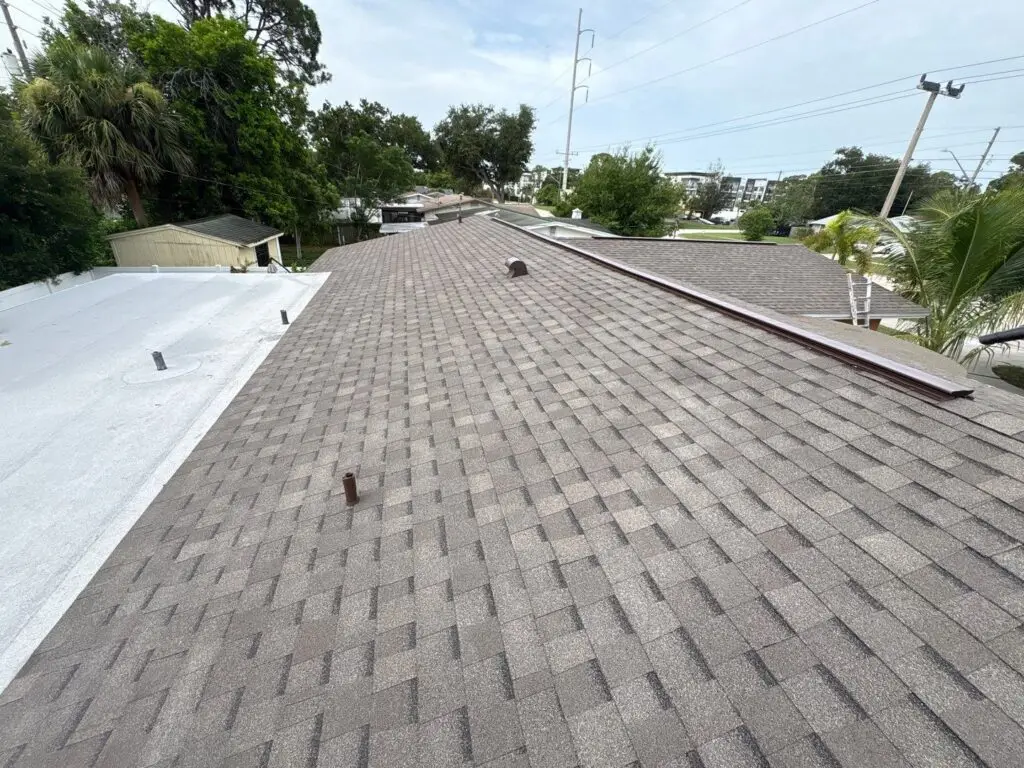
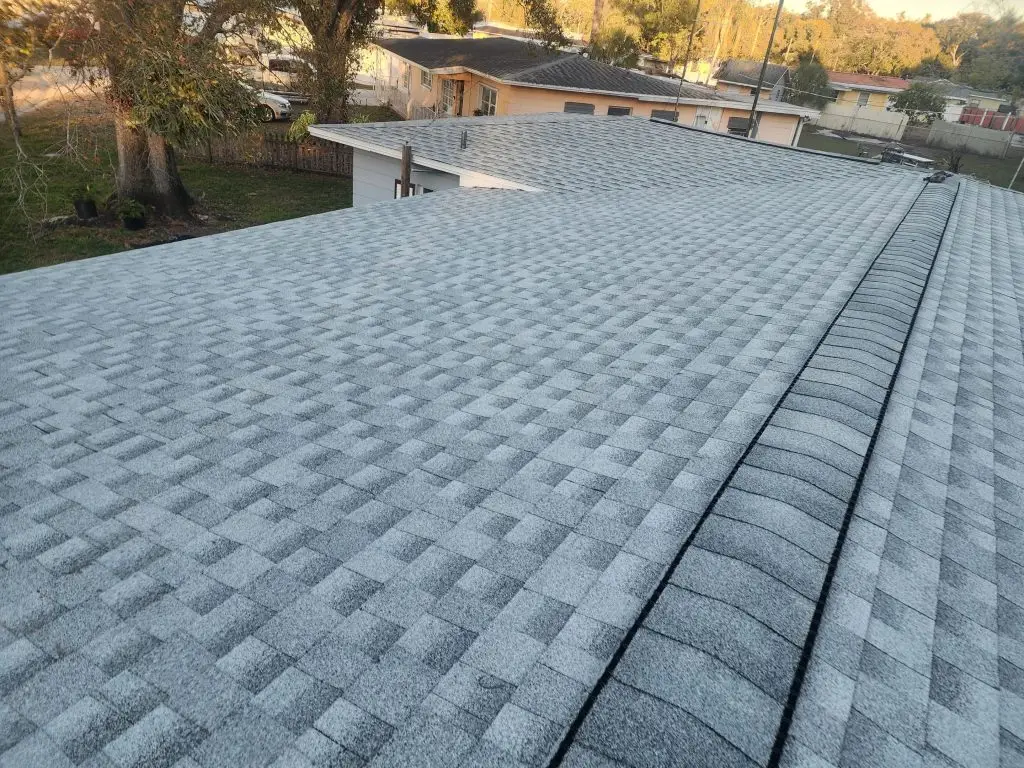
Dark colors absorb heat from the sun, while light colors reflect UV rays. The darker the roof, the higher the temperature you will experience in your attic and home. Lighter shades help keep your home interior cool by deflecting the heat away from your structure. Choose lighter-colored tiles, shingles, and asphalt, or coat a flat roof with light-colored reflective paint to maximize energy efficiency.
Ready to Upgrade Your Roof?
Folks living in hot climate areas need to carefully consider the type of roof they install. Metal, EPDM rubber, clay, and slate serve as superior options for homes in warm climates. Call Certified Roofers & General Contractors, Inc. today for further assistance or to schedule your next roofing project.