If you wake up to a water stain on your ceiling after a heavy Tampa thunderstorm, your first instinct is likely to search for a “roof repair contractor near me.” Nobody wants to pay for a full roof replacement if a simple patch will solve the problem.
But in Florida, roofing isn’t always that simple. Due to strict Hillsborough County building codes, hurricane-force wind threats, and the intense UV degradation caused by the Florida sun, a patch isn’t always legal—or safe.
If you are a homeowner in the Tampa area dealing with roof damage, here is the ultimate guide to knowing when you can safely hire a contractor for a repair, and when a replacement is inevitable.
When a Roof Repair in Tampa is the Right Choice
Targeted roof repairs are highly effective when the damage is isolated and the rest of the roofing system is structurally sound. You should look to hire a roof repair contractor if:
- The Damage is Highly Localized: A few missing shingles from a recent wind gust, a cracked tile, or a punctured metal panel can easily be swapped out without replacing the whole roof.
- The Roof is Relatively New: If your roof is under 10 years old and the underlying materials (like your synthetic or peel-and-stick underlayment) are in good condition, a localized repair is usually the most cost-effective route.
- Flashing Failures: The most common cause of a Tampa roof leak isn’t failing shingles; it is failing flashing around chimneys, skylights, or plumbing vents. A skilled contractor can reseal or replace these metal components, immediately stopping the leak.
When a Roof Replacement is Required
Sometimes, repairing a roof is like putting a band-aid on a broken leg. In Tampa, certain conditions make a repair a waste of money, or outright illegal under the Florida Building Code.
- The 25% Rule (Florida Building Code): Historically, Florida law stated that if more than 25% of your roof was damaged, you had to replace the entire thing. While recent legislative changes have added nuances to this rule based on when your roof was built, widespread storm damage across multiple slopes almost always requires a full tear-off to meet current wind mitigation codes.
- Widespread Granule Loss: If you look in your gutters and see a massive amount of sand-like granules, your asphalt shingles have reached the end of their lifespan. A patch won’t hold because the surrounding shingles will simply fail next month.
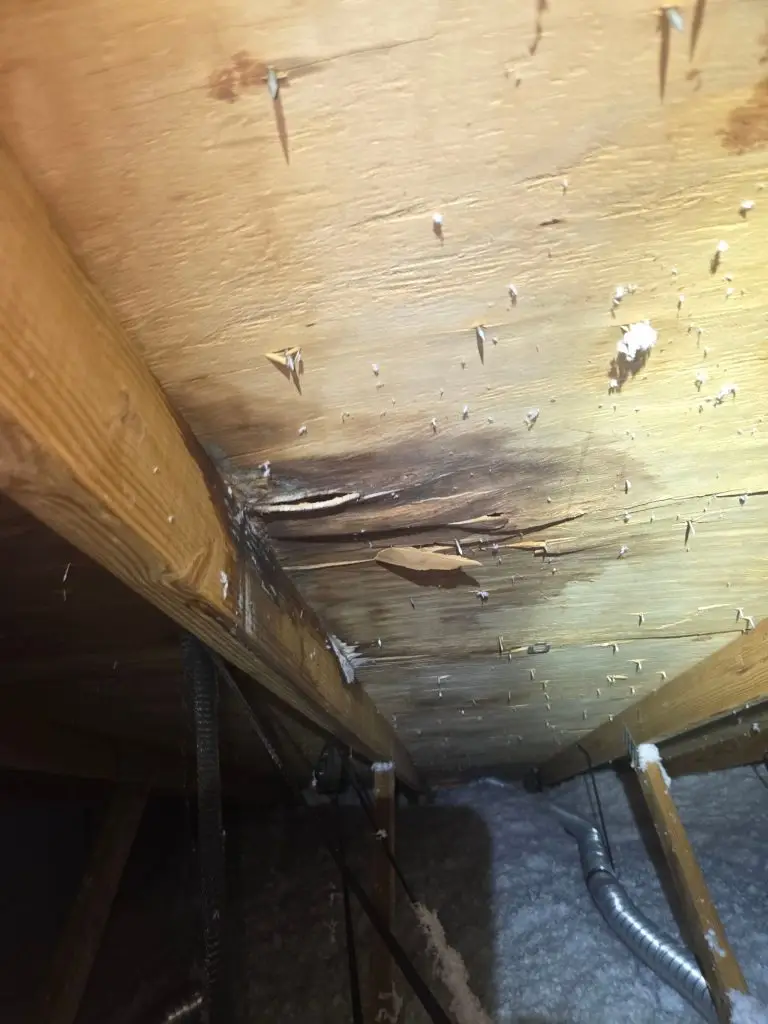
- Soft or Sagging Roof Decking: If a leak has been active long enough to rot the wooden plywood decking beneath your shingles, a surface repair will not fix the structural danger. The rotting wood must be removed, which triggers a localized or full replacement.
When Insurance Starts Becoming a Concern
There are also insurance considerations. In Florida, many insurance providers are more cautious with older roofs. Once a roof passes a certain age, it can become harder to maintain coverage or get claims approved, especially if the roof has a history of repeated repairs.
In simple terms, you can keep repairing a roof while the issues are limited, the structure is still strong, and the costs stay reasonable. But once repairs become frequent, widespread, or expensive, replacing the roof becomes the smarter move long-term.
Quick Comparison: Repair or Replace Your Roof?
| Indicator for Repair | Indicator for Replacement |
| Roof is under 10–12 years old | Roof is 15–20+ years old |
| Damage is limited to one small area | Damage affects more than 25% of the roof |
| First-time issue (storm or isolated damage) | Recurring leaks in the same or multiple areas |
| Repair cost is low compared to replacement | Repair cost is 30% or more of replacement |
| Roof still looks consistent overall | Roof has multiple patches or uneven sections |
| Structure underneath is still in good condition | Underlying structure shows signs of wear or damage |
| Insurance still covers the roof without issues | Insurance concerns due to roof age or condition |
Repair or Replace: What Actually Matters
This decision usually comes down to pattern and scale. One isolated problem often points to repair. Problems showing up in different spots across the roof often point to replacement.
It also depends on whether a repair will actually hold up. If you fix one area but the surrounding materials are worn out, the roof can keep springing new issues. That is when homeowners feel like they are playing whack-a-mole, and nobody wants that.
A good recommendation should match what is happening on your roof, not what is easiest to say over the phone.
The Big 3: Shingles, Flashing, and Gutters
If there are three areas that tell you the most about a roof’s condition, it is the shingles, the flashing, and the gutters. They work together, and when one starts slipping, the others often show signs too.
Shingles
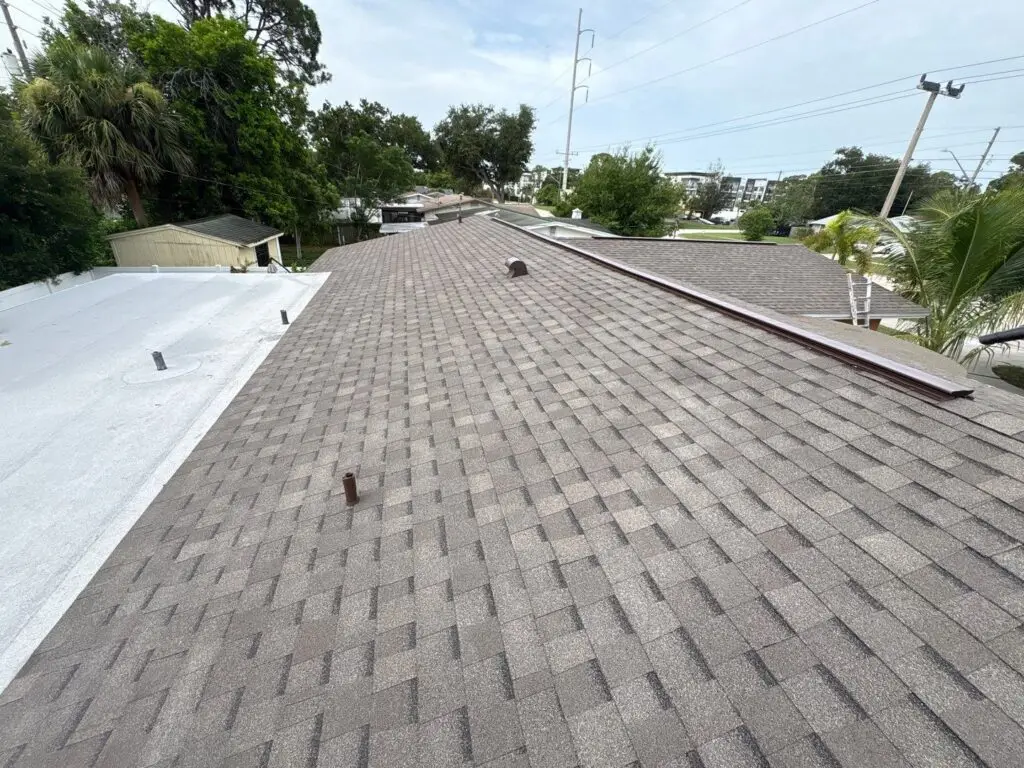
Shingles take the most abuse. Sun, wind, and rain slowly wear them down over time. Some fading or a small amount of granules in the gutters can be normal, especially on an older roof. What is not normal is shingles that are curling, lifting, cracking, or missing. That is usually a sign the roof is losing its ability to shed water the way it should.
Flashing
Flashing is the metal that seals the roof where it meets chimneys, walls, valleys, and roof transitions. This is where a lot of leaks start because water naturally moves through these areas. Flashing should sit flat and tight. If it looks bent, separated, rusted, or heavily patched with sealant, it may not be sealing properly.
Gutters
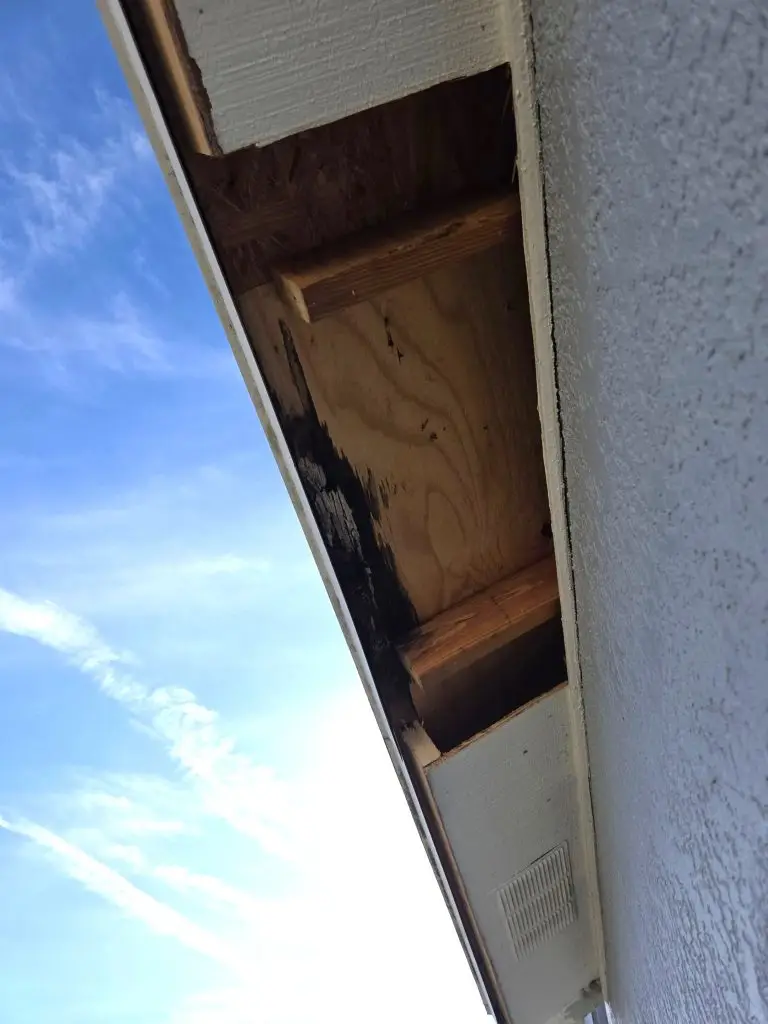
Gutters often get overlooked, but they matter more than people think. Gutters that are clogged, sagging, or pulling away can cause water to back up under the roof edge or spill into places it should not. Over time, that can lead to rot, staining, and leaks.
Why storms are a roof’s stress test, not just a one-time event
A roof rarely fails all at once. Instead, it weakens gradually from UV exposure, age, and everyday wear. A storm is often the event that reveals just how much life the roof actually has left.
A newer, well-maintained roof may handle a rough Florida summer without much trouble. An older roof, or one that has already needed several repairs, is more likely to develop new problems each time another storm rolls through.
If this summer is the first time your roof has given you trouble, that matters. If you’ve already dealt with two separate roofing issues within a matter of weeks, that pattern can be meaningful information about the overall condition of your roof.
How to think about repair vs. replacement
Repair is usually the right call when:
- The roof is under roughly 15 years old for asphalt shingles or is still well within the expected lifespan of its material
- Damage is localized, such as a section of missing shingles, a single area of granule loss, or one damaged flashing point, rather than spread across the entire roof
- This is the first significant issue the roof has had, without a history of repeated repairs in the same area
- The decking underneath is still sound once the damaged area is opened up
Replacement is usually the smarter long-term move when:
- The roof is at or past the expected service life for its material
- You’ve needed more than one or two repairs in the past couple of years. Each individual repair may seem reasonable, but the pattern can signal that the underlying roof is wearing out
- Storm damage is widespread rather than limited to one section
- An inspection reveals decking damage or signs that water has been getting in for some time without being noticed, such as multiple leak points or staining in more than one area of the attic
- A repair would cost a substantial portion of what a full replacement would cost once labor and materials are factored in. At a certain point, continuing to patch a roof that’s already near the end of its life simply delays a replacement you’ll likely need anyway
Why this decision matters more after a summer like this one
Florida’s hurricane season runs through the end of November, which means the storm activity we’ve seen over the past month may only be a preview of what the rest of the season could bring.
With more storms still possible in the months ahead, now is also a good time to review how to best prepare your home for hurricane season and address any roofing concerns before the next system moves through.
A roof that’s already borderline is more vulnerable if a stronger storm moves through later in the season. That’s why we recommend a full inspection rather than relying on a quick patch-and-hope approach after storm damage. A thorough inspection gives you a better picture of the roof’s overall condition and helps determine which option actually makes sense.
Do Not Wait for the Next Tampa Storm
A minor leak in February can turn into a catastrophic failure during a July hurricane. When dealing with roof damage, time is your worst enemy.
At Certified Roofers, we don’t just sell replacements. Our first goal is to inspect your home, diagnose the exact cause of the water intrusion, and provide you with honest, transparent options. If a repair will safely extend the life of your roof, that is exactly what we will recommend.
If you need an honest assessment from verified local experts, visit our Tampa Roofing Services page to learn more about our footprint, or contact Certified Roofers today to schedule a fast, no-obligation inspection.