The day after a big storm, the trucks show up. Out-of-state crews go door to door, clipboards out, promising a “free roof” and a fast claim. Some are legitimate. Many are not — and a few of their pitches can cross the line into illegal conduct under Florida law.
After 45 years roofing Tampa Bay, we’ve seen how much heartache a few minutes of knowledge can save. Here’s what the law actually says, so you can protect yourself before you sign anything.
You’re responsible for your deductible — and anyone who offers to “eat” it is breaking the law
This is the big one.
In Florida, a contractor cannot offer a rebate, gift, gift card, cash, coupon, waiver of an insurance deductible, or anything else of value in exchange for allowing the contractor to inspect your roof or for making an insurance claim for roof damage.
Florida law also makes it insurance fraud, punishable as a third-degree felony, for a contractor to knowingly and willfully, with intent to injure, defraud, or deceive, pay, waive, or rebate all or part of an insurance deductible. Contractors also cannot encourage homeowners to submit false, incomplete, or misleading information on an insurance claim.
So if someone’s headline offer is:
“Free roof. No deductible.”
Walk away.
An honest roofer should provide an inspection and estimate based on the actual condition of your roof. Your insurance company determines coverage under your policy, and you remain responsible for your applicable deductible.
Learn more about Florida roof insurance rules in 2026 →
Assignment of Benefits (AOB) changed in Florida
For years, homeowners were sometimes asked to sign an Assignment of Benefits, or AOB, after property damage. An AOB can transfer certain post-loss insurance benefits to another party.
Florida changed the rules surrounding these agreements. For residential and commercial property insurance policies issued on or after January 1, 2023, policyholders generally cannot assign post-loss insurance benefits, subject to specific statutory exceptions. An attempt to assign those benefits under a covered policy is void, invalid, and unenforceable.
The Florida Department of Financial Services also states that assignment of benefits with contractors has been prohibited for residential and commercial property insurance claims since January 1, 2023.
The practical takeaway is simple: be very careful with any document that claims to transfer control of your insurance benefits or claim to a contractor.
Read the document carefully and, when necessary, get advice from your insurance professional or a qualified Florida attorney before signing.
The 25% roof rule — and why your roof’s age matters
You’ve probably heard that if more than a quarter of your roof is damaged, Florida requires you to replace the entire roof.
That is not the full rule today.
Florida Statute §553.844 contains an important exception. If an existing roofing system or roof section was built, repaired, or replaced in compliance with the 2007 Florida Building Code or a later edition, and 25% or more of that roofing system or roof section is being repaired, replaced, or recovered, only the portion being repaired, replaced, or recovered is required to comply with the Florida Building Code in effect for the project.
That means the age and code history of your roof can matter.
The common “25% rule” explanation is therefore too simplistic. The answer depends on the specific roof section, when it was built or last replaced, the applicable code, and the work being performed.
Read Florida Roof Insurance Rules 2026 →
Door-to-door solicitation: legal, but with strings attached
It’s not automatically illegal for a roofer to knock on your door after a storm.
However, Florida law regulates contractor advertising and solicitation related to roof insurance claims. Certain advertisements, including door hangers, flyers, pamphlets, emails, and similar communications, must contain specific disclosures when they encourage homeowners to make an insurance claim for roof damage.
Those disclosures include the fact that the homeowner is responsible for the insurance deductible and warnings concerning deductible waivers and false insurance claims.
So the knock on the door isn’t necessarily the problem.
The red flags are high-pressure tactics, promises of a “free roof,” deductible waivers, requests to sign immediately, or pressure to make an insurance claim before you’ve had time to understand the damage.
Your right to cancel
Florida provides a specific cancellation right for certain residential roof repair or replacement contracts entered into because of an event covered by a governor-declared state of emergency.
Under Florida Statute §489.147, a residential property owner may cancel a qualifying roof repair or replacement contract without penalty or obligation within 10 days after execution of the contract or by the official start date, whichever comes first. The official start date can include the date certain installation work begins, a final permit is issued, or a qualifying temporary roof repair is made.
Florida law also requires the contract to contain specific cancellation language when it is executed during a declared state of emergency.
If you exercise the cancellation right, the statute requires the notice to be sent by certified mail, return receipt requested, or another form of mailing that provides proof, to the address specified in the contract.
Never let someone pressure you with:
“Sign today or we can’t help you.”
Take the time to understand the contract.
Red flags of a storm-chaser scam
Be on guard if a contractor:
- Offers to waive, cover, rebate, or “handle” your deductible
- Offers cash, gift cards, or other incentives for a roof inspection or insurance claim
- Pushes you to sign on the spot
- Presents an AOB or other document that transfers insurance benefits without clearly explaining it
- Wants to submit an insurance claim directly on your behalf
- Tells you what your insurance policy covers without holding the appropriate license
- Encourages you to exaggerate or invent damage
- Asks you to keep your insurance company’s adjuster away from the property
- Can’t show a Florida license or proof of insurance
- Demands a large deposit without clearly explaining payment terms
- Won’t provide an itemized estimate
Florida’s Department of Financial Services specifically warns homeowners about deductible waivers, gift-card incentives, contractors submitting claims for homeowners, insurance-policy advice by unlicensed contractors, and contractors who refuse to provide itemized estimates.
How to protect yourself
Verify the contractor’s Florida license through the state’s official licensing system before signing.
How to Choose the Right Roofing Contractor in Hillsborough County →
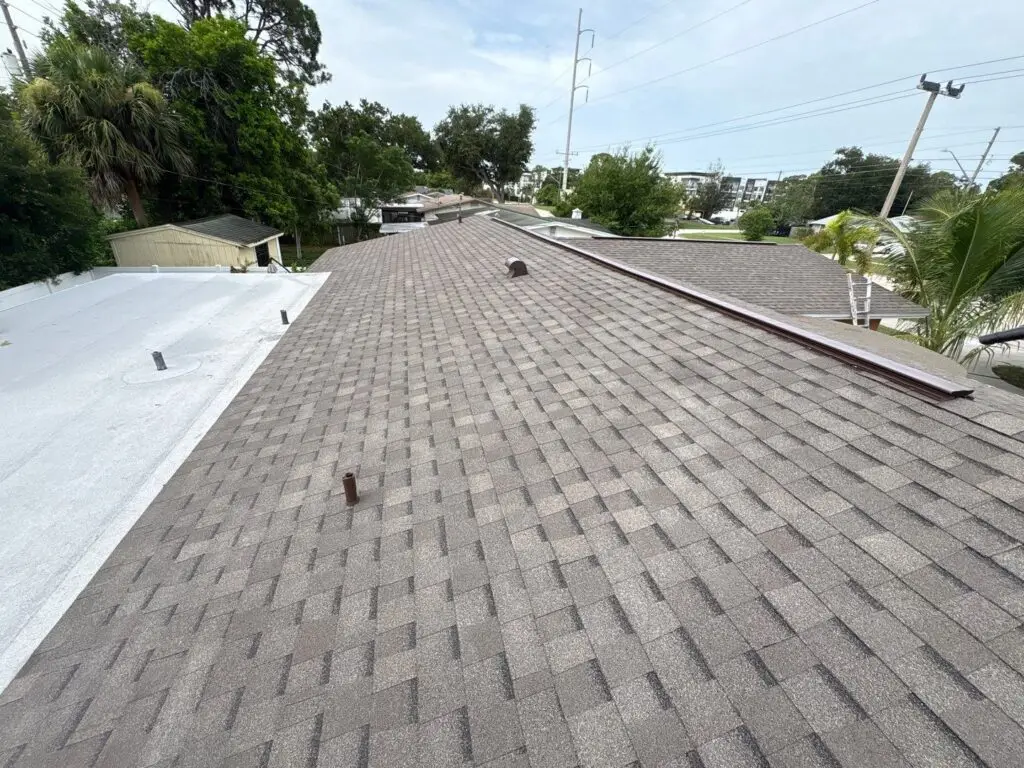
Document your storm damage yourself with dated photos and videos when it is safe to do so. Don’t climb onto the roof just to get a better picture. A professional can inspect areas that aren’t safely accessible.
Contact your insurance company directly to report the loss. A roofing contractor can document visible roof damage and provide an estimate, but contractors generally cannot interpret your insurance policy, advise you about your coverage or policy duties, or adjust your insurance claim unless they also hold the appropriate public adjuster license.
Get the complete scope of work and pricing in writing. Florida law requires contractors working under the statute to provide a good-faith estimate with itemized and detailed costs for services and materials associated with repairs under a property insurance claim.
What should you do after your roof is damaged by a storm?
You don’t have to make every decision the day after a storm.
Start by:
1. Documenting visible damage.
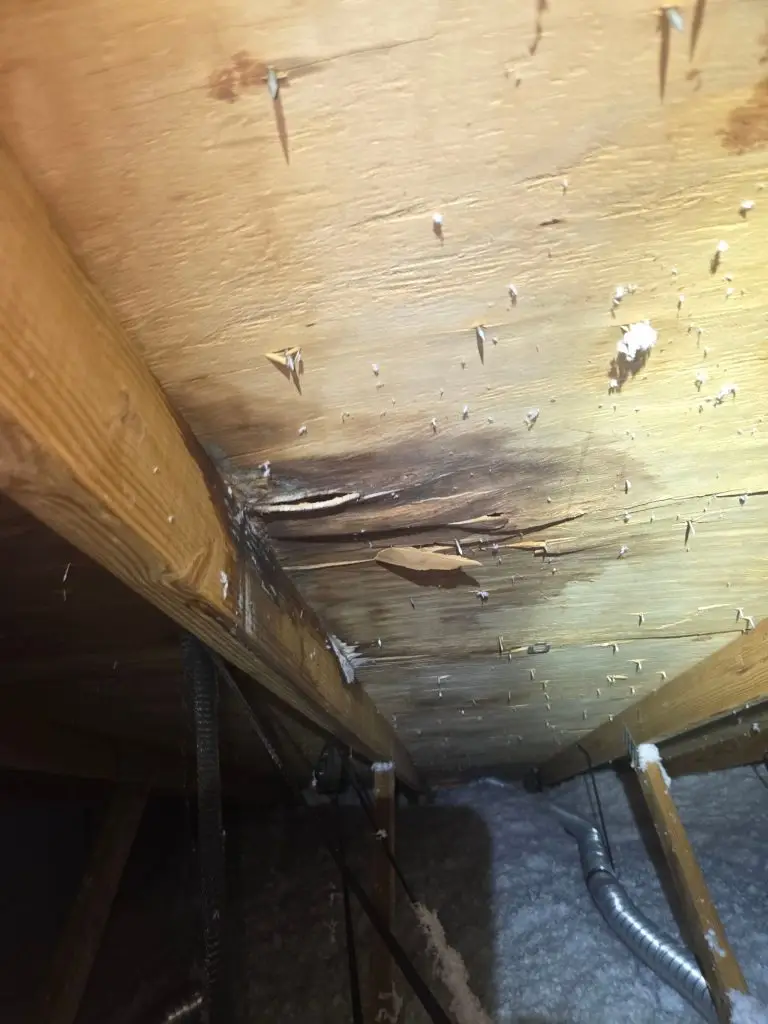
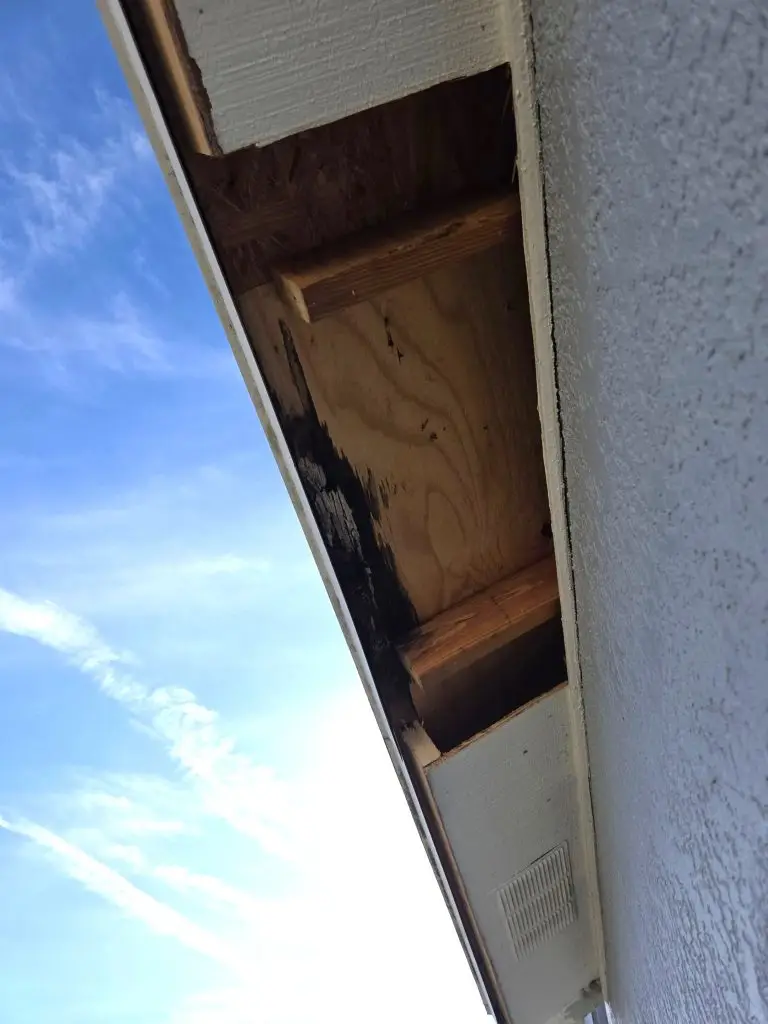
Take photos and videos from the ground and document water intrusion or other obvious damage inside the home.
2. Preventing additional damage when safe.
If water is entering the home, take reasonable steps to protect the property without putting yourself at risk.
3. Contacting your insurance company.
Report the loss directly to your insurer and ask about the claims process.
4. Getting a professional roof inspection.
A qualified roofer can evaluate the roof and provide a written estimate of recommended repairs.
5. Comparing contractors.
Get more than one estimate when practical, verify licensing and insurance, and don’t choose a contractor simply because they showed up first.
For more information about storm-related roofing problems, see How to Spot Early Signs of Roof Damage During Florida’s Storm Season →.
What if you’re not sure whether the damage requires a repair or replacement?
Storm damage doesn’t automatically mean you need a completely new roof.
The right answer depends on the extent of the damage, the condition and age of the existing roof, the affected roof section, and the applicable building-code requirements.
Read our Tampa Bay Roof Repair vs. Replacement Guide → before making a decision.
You can also learn more about the benefits of a professional roof inspection for storm damage →.
Storm damage and not sure what’s real?
Call Certified Roofers at (813) 643-8333 for a free, honest inspection.
We’ve protected Tampa Bay homes for 45+ years, we’re a GAF Master Elite contractor, and we’ll never ask you to waive your deductible, exaggerate damage, or do anything that isn’t above board.
Get a Professional Storm Damage Roof Inspection
REQUEST A FREE ROOF INSPECTION
Prefer to talk? Call Certified Roofers at (813) 643-8333.
Request Your Free Roofing Inspection →
This article is general information for Florida homeowners, not legal advice. Florida laws, insurance requirements, and building codes can change, and individual claims depend on the applicable policy, facts, and circumstances. For advice about your specific claim or legal rights, consult the Florida Department of Financial Services, your insurance professional, or a qualified Florida attorney. Always verify a contractor’s current license and insurance before signing a contract.