Living in Florida means sunshine, palm trees, and warm coastal breezes. It also means intense heat that bakes shingles, humidity that works its way into attic spaces, and severe storm seasons that push roofing systems to their absolute limits. A roof that looks completely fine from the street can still be quietly developing problems that only show up once a leak starts dripping into your ceiling.
Most roof failures do not happen all at once. They start with small changes that build up over time: a lifted shingle here, a soft spot there, or a flashing seal that slowly opens under years of heat and rain. By the time water actually shows up inside the house, the structural damage is already well underway.
This 2026 roofing guide for Florida homeowners is designed to help you stay ahead of those hidden problems. With a few simple routine checks and the right timing for professional inspections, you can reduce surprise leaks, extend your roof’s lifespan, and avoid costly repairs down the road.
Why Florida Roofs Need a Different Kind of Maintenance
Florida roofs live in one of the toughest environments in the country. The sun beats down year-round. Afternoon storms soak shingles again and again. Hurricane season brings high-speed winds that lift edges and drive rain sideways into places it was never meant to go.
- Heat & Expansion: Heat causes roofing materials to expand and contract. Over time, that constant movement loosens fasteners and weakens watertight seals.
- Humidity & Rot: Humidity keeps moisture trapped in attic spaces, which can lead to mold, wood rot, and premature underlayment failure.
- Heavy Rain: Torrential rain tests every single seam, valley, and flashing joint.
That is why roof maintenance in Florida is not something you handle once every few years and forget about. It needs to be part of your regular home care routine, just like servicing your air conditioner or cleaning your gutters.
Step 1: Spot Early Leak Warning Signs Before They Spread
Many homeowners first notice roof trouble from inside the house. Small brown stains on the ceiling, a faint watermark along a wall, or a musty smell that was not there before are all major red flags.
These signs often appear long before a major, dripping leak. Water may be getting in through a tiny opening and slowly soaking your insulation or drywall. Over time, that moisture spreads and causes much bigger damage.
In Florida homes, leaks often show up around skylights, vent pipes, and roof valleys. Any area where the roof changes direction or has a penetration is significantly more vulnerable to water intrusion. Catching these subtle clues early can save you from dealing with extensive ceiling repairs, insulation replacement, and mold remediation later on.
Step 2: Check Shingles, Underlayment Clues, and Soft Spots
From the ground, take a close look at your shingles. Missing shingles are easy to spot, but more subtle damage is just as important. Look for shingles that appear curled, cracked, or lifted along the edges. An excessive amount of granules collecting in your gutters is another strong sign that the shingles are breaking down and nearing the end of their life.
If you can safely access your attic, look for dark water staining on the underside of the roof deck. This often points to slow, persistent leaks that have been working their way in for some time.
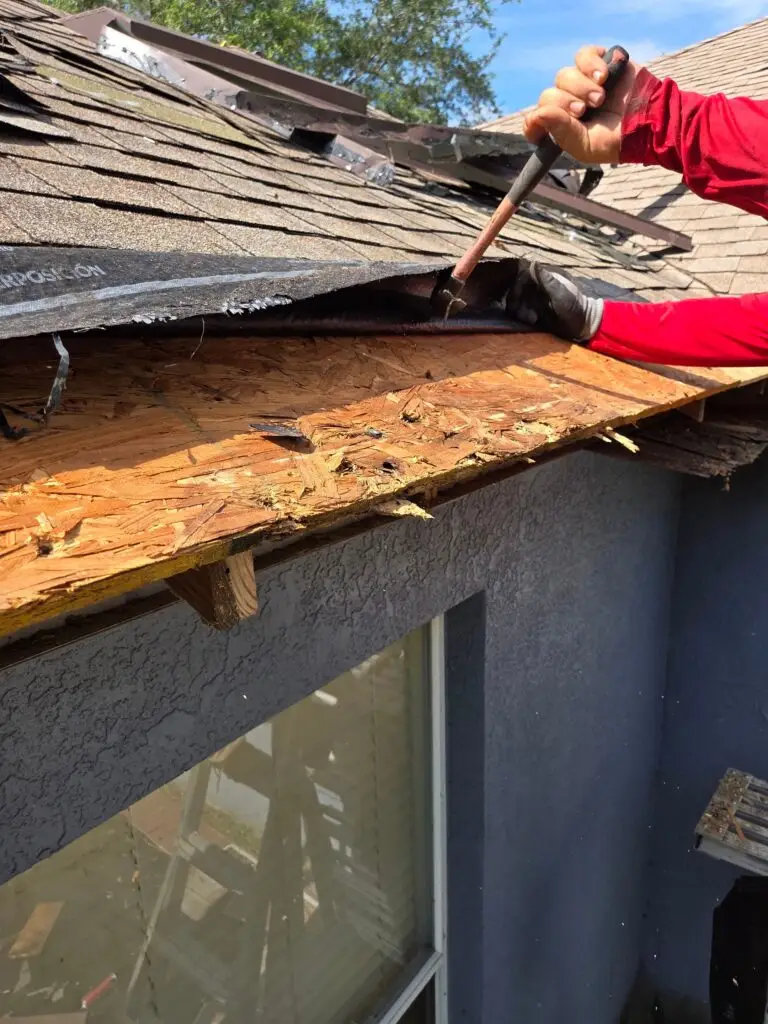
Soft spots on the roof surface are a serious warning sign. These indicate rotting decking underneath the shingles, usually caused by long-term moisture exposure. Remember, Florida heat speeds up the aging process of roofing materials. What might last decades in cooler climates can wear out much sooner here.
Step 3: Inspect Flashing, Valleys, and Roof Edges for Gaps
Flashing is the thin metal installed around chimneys, vents, skylights, and roof transitions. It plays a massive role in keeping water out. When flashing loosens, cracks, or corrodes, interior leaks are almost guaranteed.
Roof valleys deserve special attention. These areas naturally collect the most water during heavy rain and must remain tightly sealed. Any separation, rust, or missing sealant can easily allow water to work its way underneath the shingles.
Roof edges also take a severe beating from the wind. If the drip edge or edge flashing starts to lift, rain can be pushed backward under the roofing system during high-wind storms. These are small components, but they are responsible for preventing some of the most common roof leaks in Florida homes.
Step 4: Watch for Ventilation and Humidity Issues in the Attic
Your attic plays a major role in your roof’s overall performance. Poor ventilation traps heat and moisture, which rapidly shortens the life of your shingles and underlayment.
In Florida, attics can reach extreme, oven-like temperatures. Without proper airflow, that heat bakes the roof from below while the sun bakes it from above. Moisture builds up and can quickly lead to mold growth, wood rot, and insulation damage.
If your attic feels damp or smells musty, that is a sure sign humidity is not being managed properly. Rusted roofing nails, dark staining on wood trusses, or sagging insulation are also clues that moisture is lingering where it should not. Good attic ventilation protects both your roof and your indoor comfort.
Step 5: Do a Before and After Storm Roof Check
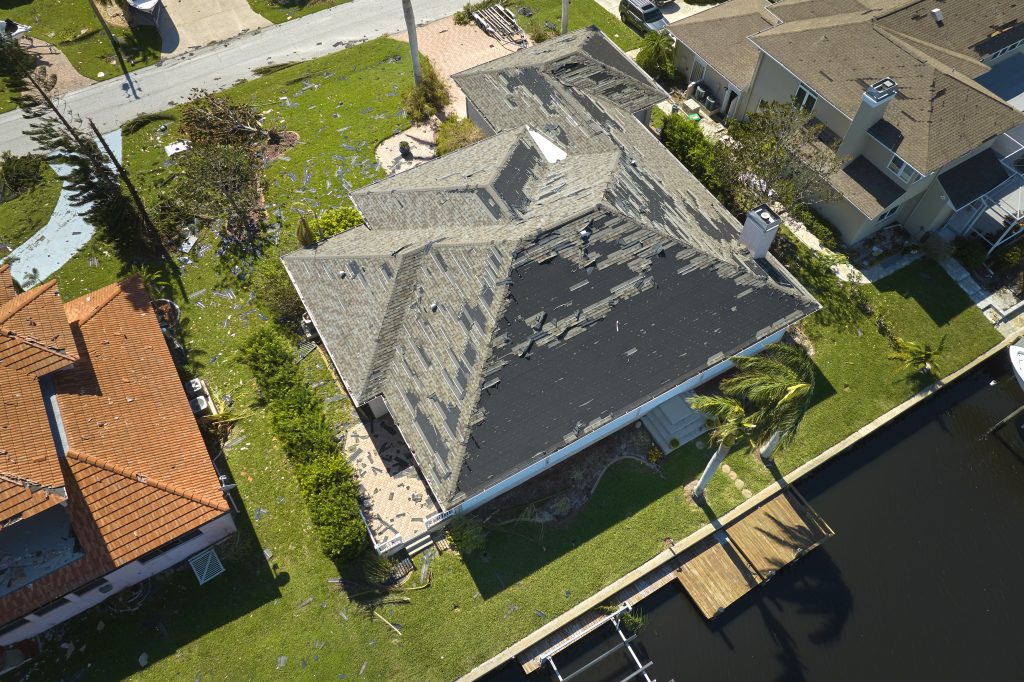
Storm season is when most major roofing damage happens. Even if a passing storm does not seem severe, the wind can lift shingles and rain can find its way into small, unseen openings.
- Before storms arrive: Take note of your roof’s current condition.
- After storms pass: Do another visual check from the ground. Look for missing shingles, shifted flashing, debris buildup, and tree branches that may have scraped the roof surface.
Pay close attention to areas near large trees, roof valleys, and roof penetrations. These spots are the most likely to take a hit during heavy weather. If anything looks different after a storm, it is highly worth having it inspected before the next weather system rolls in.
Repair vs. Replacement Planning for Florida Homeowners
Every roof reaches a point where patching repairs are no longer the best long-term solution. Florida conditions can drastically shorten roof lifespans, especially for older systems that were not built to today’s strict wind and building code standards.
If your roof is approaching 15 to 20 years old, regular inspections become even more important. Small repairs may still make sense, but planning ahead for a full replacement gives you the time to properly budget and choose the right materials. A professional roof inspection helps you understand exactly where your roof stands today and what to expect in the years ahead. It also provides you with vital documentation that can be useful for insurance purposes.
Protect Your Investment with Certified Roofers
A roof that is properly maintained does more than just keep the rain out—it protects everything and everyone underneath it. If you want to stay ahead of leaks, storm damage, and costly surprises in 2026, a simple maintenance plan and regular inspections can make all the difference.
Certified Roofers & General Contractors provides professional roof inspections, repairs, replacements, and storm damage assessments for homeowners throughout Valrico, Brandon, Riverview, Lithia, FishHawk, and the Greater Tampa Bay area. Our dedicated team helps Florida homeowners make informed decisions that protect both their homes and their investment.
Call us today at (813) 643-8333 or contact us online to schedule your roof inspection!