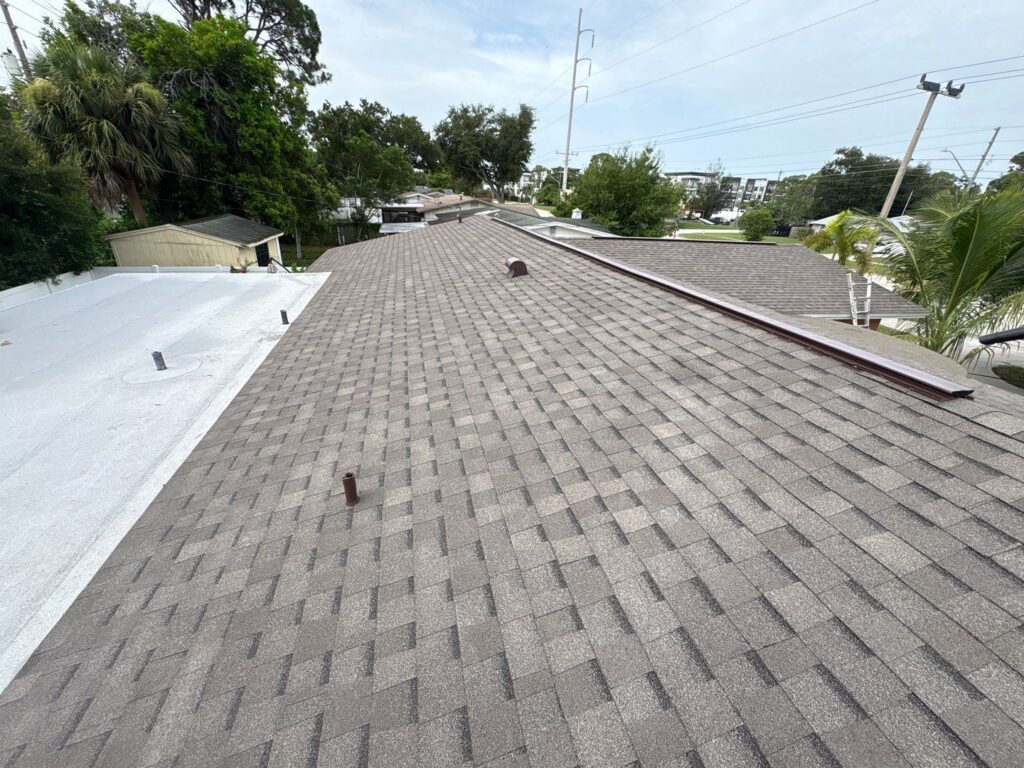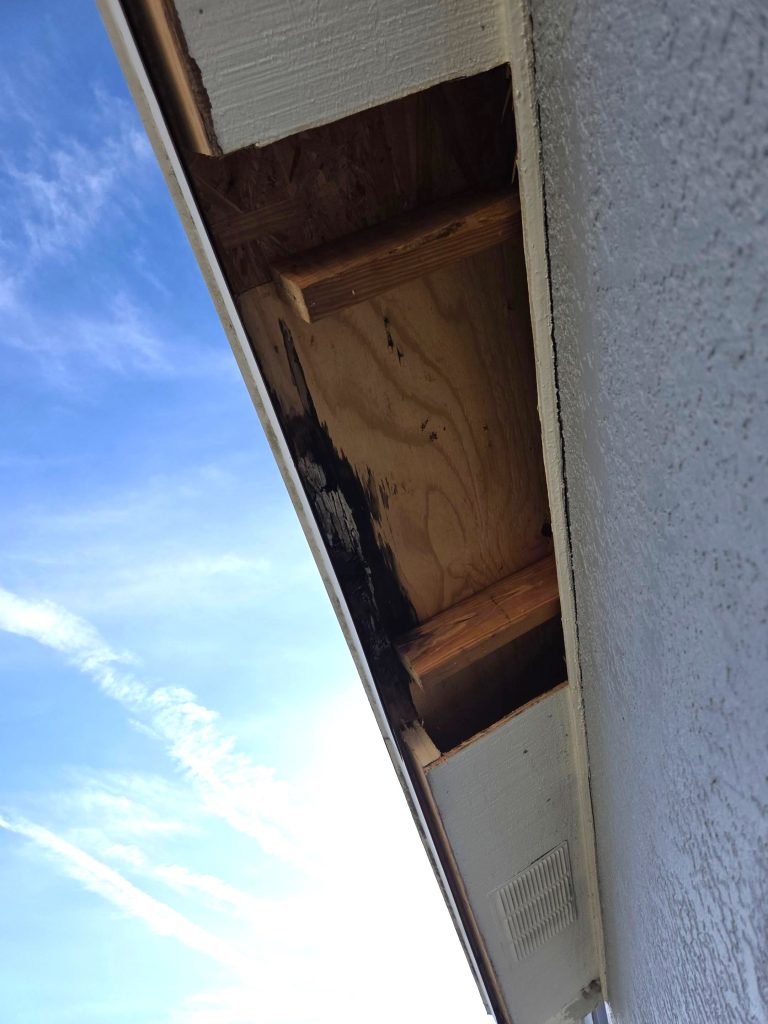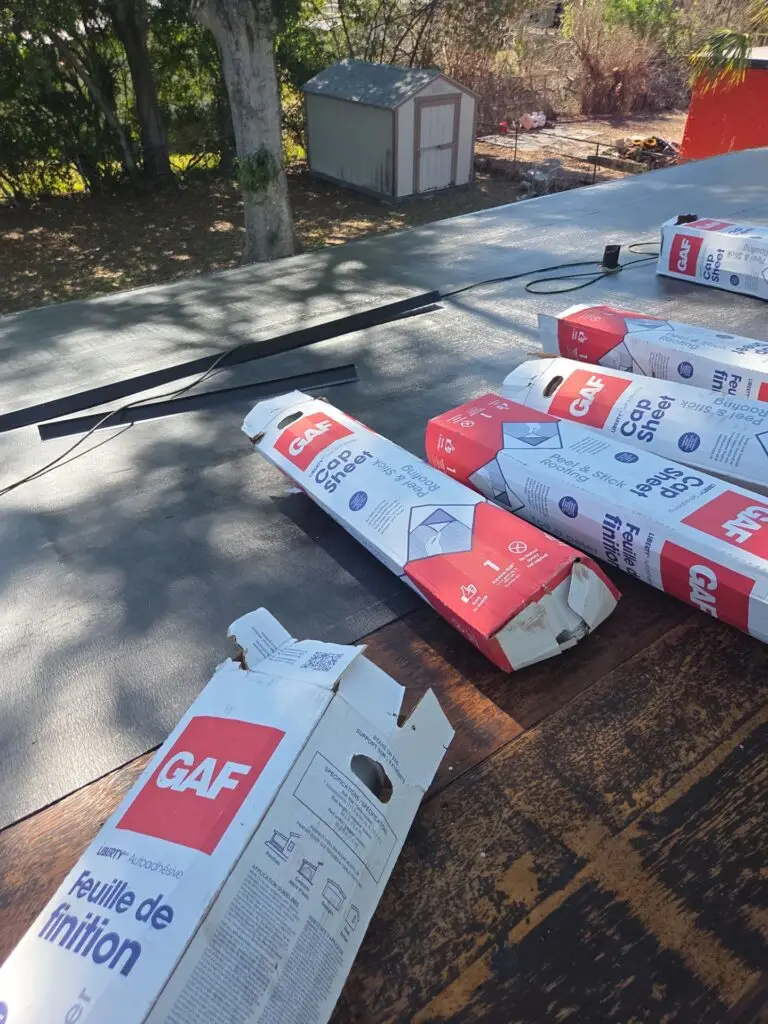
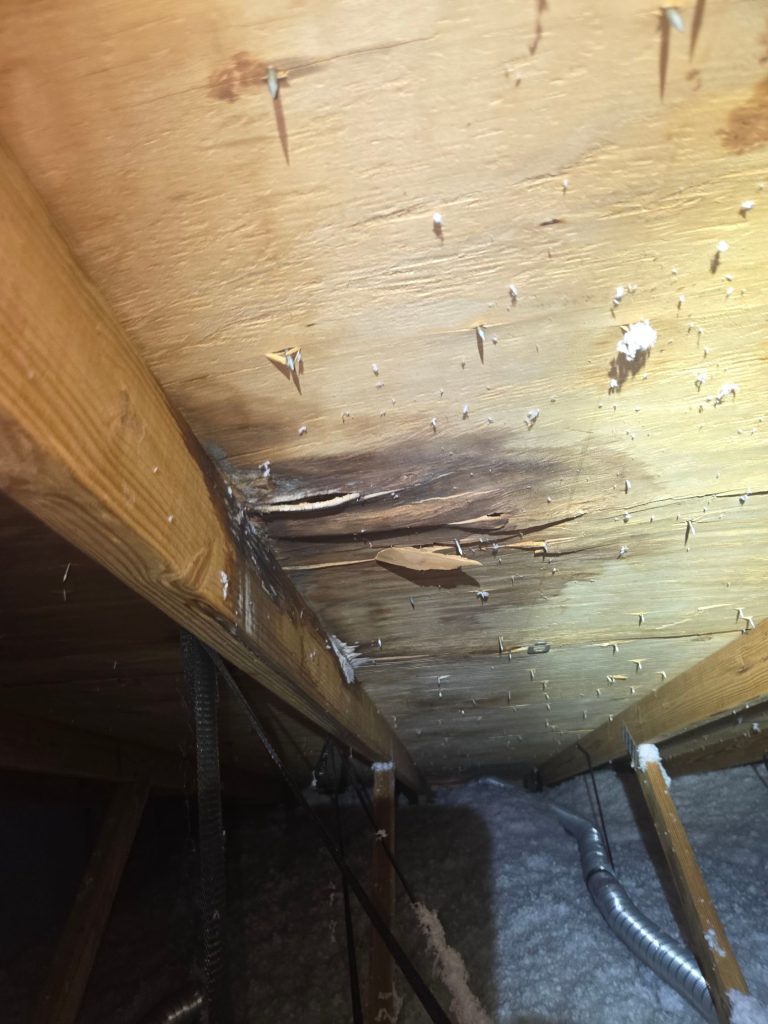
If you’ve received a non-renewal notice citing the age of your roof, you are not out of options, and the law is more on your side than most homeowners realize. Florida statute puts real limits on what a carrier can do based on roof age alone.
Here’s what the law says, what it doesn’t say, and what to do next.
If your roof is under 15 years old
Florida Statute §627.7011 is direct about this:
An insurer may not refuse to issue or refuse to renew a homeowner’s policy insuring a residential structure with a roof that is less than 15 years old solely because of the age of the roof.
That word solely is doing the work. If your roof is 14 years old and in sound condition, age by itself is not a lawful basis for refusing to write or renew your policy.
The statute also defines how roof age is measured: from the last date on which 100 percent of the roof’s surface area was built or replaced. Partial repairs don’t reset that clock — a full replacement does.
If your roof is 15 years or older
This is the part almost nobody knows, and it’s the reason this page exists. For older roofs, the statute gives you the right to prove the roof still has life in it:
The insurer may not refuse to issue or refuse to renew a homeowner’s insurance policy solely because of roof age if an inspection of the roof of the residential structure performed by an authorized inspector indicates that the roof has 5 years or more of useful life remaining.
So a 19-year-old roof in genuinely good condition is not automatically uninsurable. If a qualified inspector documents five or more years of remaining useful life, the carrier cannot refuse you on age alone. The inspection is at your expense, and it is very often cheaper than the alternatives.
What this does not do
- It does not stop a carrier from refusing you over the roof’s condition. Age and condition are different things. A 9-year-old roof with damage, missing shingles, or active leaks can still be declined.
- It does not stop a carrier from non-renewing you for unrelated reasons — claims history, underwriting changes, or leaving the Florida market entirely.
- It does not guarantee the price stays the same. The statute governs refusal to issue or renew, not what they charge you.
What to do if you’ve gotten a notice
- Read the notice carefully and note the date. Find out exactly what reason the carrier gave. If it says roof age, the statute above is directly relevant. If it says condition or prior claims, that’s a different conversation.
- Don’t wait. Non-renewal notices come with deadlines, and the inspection takes time to schedule and document.
- Get a roof inspection with documentation. Not a verbal opinion — a written report with photographs and a stated assessment of remaining useful life. That report is what you hand the carrier.
- Send it to your agent in writing. Keep a copy of everything and note when you sent it.
- If the roof genuinely is at end of life, find that out now. Knowing early gives you time to plan a replacement instead of scrambling after you’ve been dropped.
While you’re at it: know your claim deadlines
Separate from roof age, Florida has tightened the windows for reporting property damage, and they’re shorter than most homeowners assume. Under §627.70132:
- A claim or reopened claim must be reported within 1 year after the date of loss.
- A supplemental claim must be reported within 18 months after the date of loss.
These run from the date of loss, not from when you noticed the damage. If a storm came through last season and you’ve been putting off having the roof looked at, that clock is already running.
How we can help
We perform documented roof inspections across the greater Tampa Bay area, including the kind of written assessment a carrier will actually accept. You get the report and the photographs whether or not the news is good, and whether or not you ever hire us for the work.
If the roof has life left, we’ll say so in writing. If it doesn’t, we’ll show you why, with pictures, and you’ll know where you stand before your renewal date rather than after.
This page is general information about Florida law and insurance practice, not legal or insurance advice. Statutes change — Florida’s property insurance law has been amended repeatedly since 2021 — and every policy is different. Read your own policy and confirm current law before acting. If money is on the line, talk to an attorney or a licensed public adjuster.
Sources: Fla. Stat. §627.7011 — roof age and insurer refusal · Fla. Stat. §627.70132 — claim notice deadlines