Have you ever fixed something at home, thought it was sorted, then found yourself dealing with the same issue again not long after? A roof can feel exactly like that. At first, a repair seems like the easy win. A quick fix, a smaller bill, and everything looks fine again. But then it happens again. Another leak. Another patch. Another call.
That’s when the question starts to shift. Not “can this roof be repaired?” but “how long can this keep going before it stops making sense?” In this guide, we’ll walk through how to tell when repairs are still worth it and when a roof replacement becomes the smarter move.
Why Some Roofs Can Be Repaired Again and Again While Others Cannot
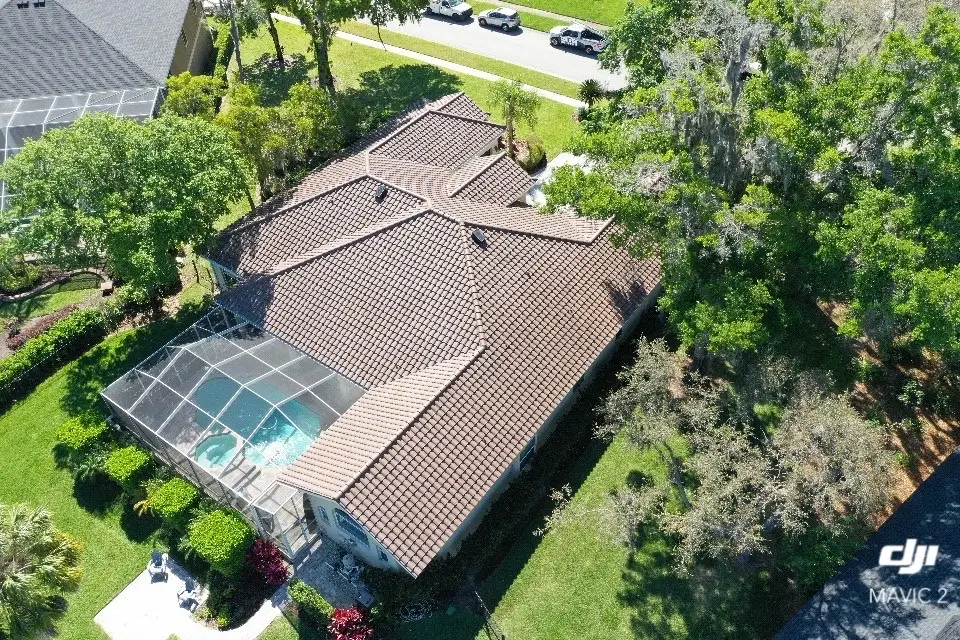
Some roofs in Tampa handle repairs without much trouble. Others reach a point where nothing seems to last. A big part of it comes down to timing. A newer roof with a single issue can usually be repaired and move on without much concern. But as a roof gets older, the materials start to lose their strength. Even a well-done repair may not blend or hold the way it should, especially with Tampa’s heat and humidity working against it.
The type of damage matters too. A branch falling on one section is very different from slow, widespread wear. When multiple areas start showing signs at once, it is often a sign the roof system itself is getting tired. In Tampa, constant sun exposure, heavy rain, and storm activity can speed this up.
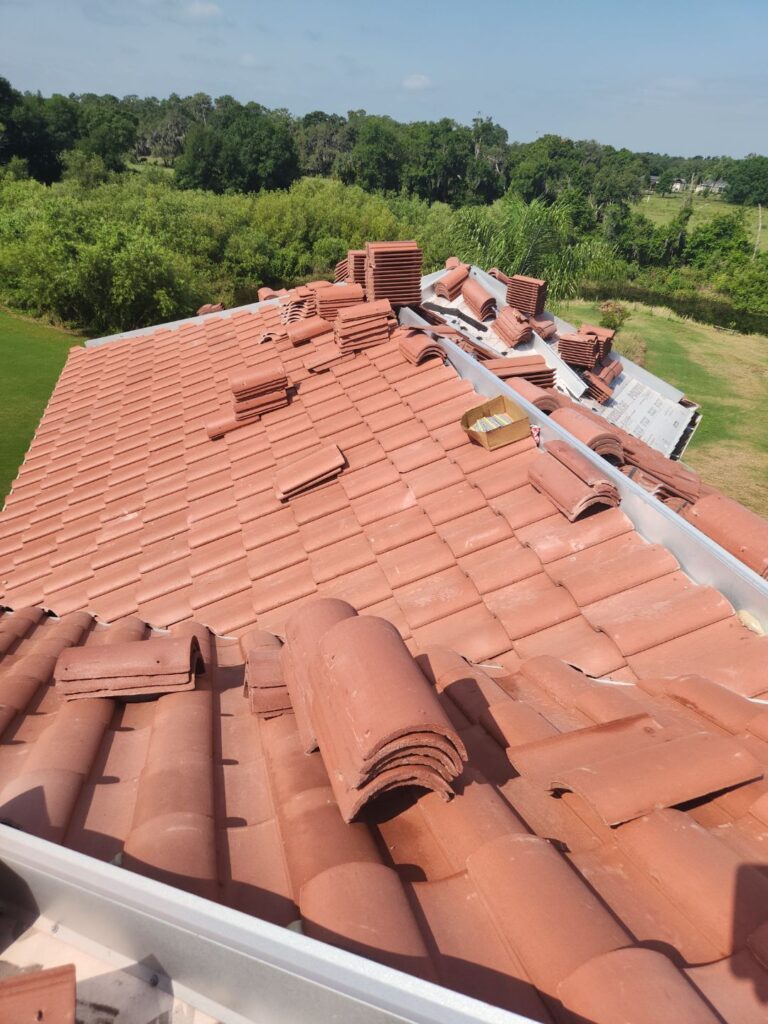
Then there is the material. Shingles, tile, and metal all age differently. Some allow for easier fixes. Others become harder to match over time, particularly in Tampa where weather conditions can fade and wear materials unevenly. That can lead to patchy sections or recurring issues.
Signs Roof Repairs Are Starting to Become a Short-Term Fix
There is usually a moment when repairs stop solving the problem and start buying time. You can often see it happening:
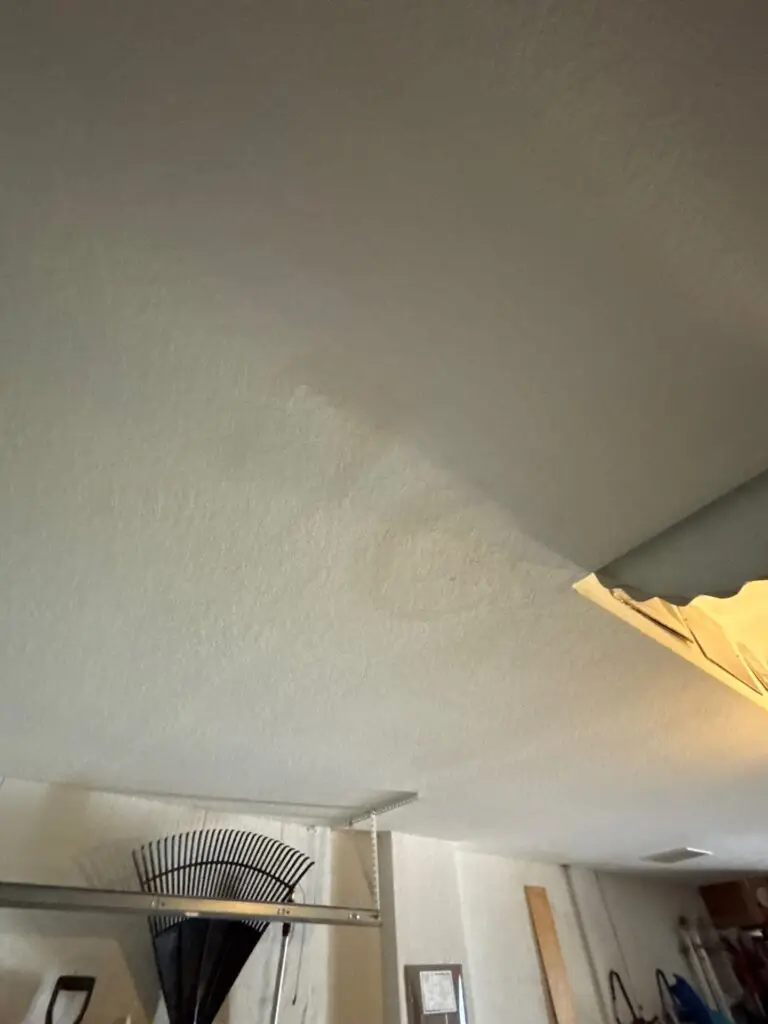
- Leaks keep coming back: You fix one spot, and a few months later, it shows up again. That usually means the issue is not isolated anymore.
- Damage is spreading across different areas: When new sections start failing, it is no longer just one problem. It is the roof as a whole starting to give in.
- Repair costs keep adding up: One repair is manageable. A few more might still feel fine. But over time, those costs stack up faster than most people expect.
- Your roof no longer looks consistent: Different colors, patched sections, uneven lines. It may still be holding, but it is not working as one cohesive system anymore.
How Long Can You Keep Repairing?
There is no exact number of times a roof can be repaired. But there are clear points where continuing to patch it stops making sense.
A good way to look at it is this: Repairs work best when the problem is small, isolated, and the roof still has solid life left. Once those conditions change, repairs start turning into short-term fixes instead of real solutions.
When Repair Costs Start Getting Too High
One of the biggest indicators is cost. If your repair estimates are starting to reach around 30 percent of what a full roof replacement would cost, it is usually more practical to replace the roof instead. At that point, you are putting a significant amount of money into something that may still fail soon after.
When the Roof Is Nearing the End of Its Lifespan
Age also plays a major role. In Tampa, asphalt shingle roofs often last around 15 to 20 years due to constant heat, humidity, and storms. If your roof is getting close to that range, repairs will only extend its life for a limited time. They will not reset the condition of the base materials.
When Damage Is Spreading Across the Roof
Another factor is how much of the roof is affected. If damage spreads across more than a quarter of the roof, repairs become harder to manage. Fixing one section while others continue to wear down usually leads to ongoing issues.
When Repairs Keep Happening Again and Again
You will also notice patterns. If leaks keep appearing in different areas or the same problem keeps coming back, it often means the roof system is starting to fail as a whole. At that stage, repairs are no longer addressing the root cause.
When Insurance Starts Becoming a Concern
There are also insurance considerations. In Florida, many insurance providers are more cautious with older roofs. Once a roof passes a certain age, it can become harder to maintain coverage or get claims approved, especially if the roof has a history of repeated repairs.
In simple terms, you can keep repairing a roof while the issues are limited, the structure is still strong, and the costs stay reasonable. But once repairs become frequent, widespread, or expensive, replacing the roof becomes the smarter move long-term.
Quick Comparison: Repair or Replace Your Roof?
| Indicator for Repair | Indicator for Replacement |
| Roof is under 10–12 years old | Roof is 15–20+ years old |
| Damage is limited to one small area | Damage affects more than 25% of the roof |
| First-time issue (storm or isolated damage) | Recurring leaks in the same or multiple areas |
| Repair cost is low compared to replacement | Repair cost is 30% or more of replacement |
| Roof still looks consistent overall | Roof has multiple patches or uneven sections |
| Structure underneath is still in good condition | Underlying structure shows signs of wear or damage |
| Insurance still covers the roof without issues | Insurance concerns due to roof age or condition |
Find Out if Roof Repair or Replacement Is the Right Move
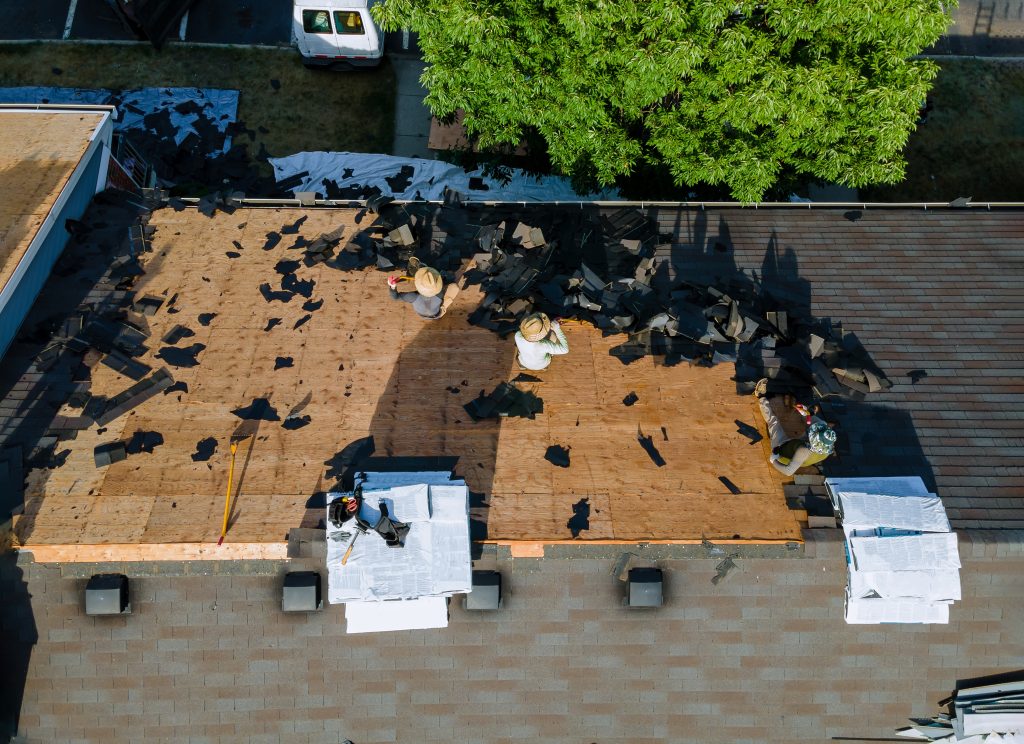
Most homeowners wait until the problem is obvious. By then, the damage has often spread further than expected. A proper roof inspection gives you a clear picture early. You are not guessing or reacting. You are making a decision based on what is actually happening on your roof.
At Certified Roofers & General Contractors, we assess the full condition of your roof, not just the visible issue. You will get a straightforward answer on what makes sense next, from repair to replacement or simply monitoring it for now.
If you are in Tampa, Valrico, Riverview, Brandon, Lithia, or FishHawk, call (813) 643-8333 or book your free roof inspection online today. It is a simple step that can save you from making the wrong call later.