Are you planning to build a new home or remodel your present space? Do you reside in a hurricane-prone region? If yes, you have probably heard that impact windows and doors can protect you from severe storms. But how about the actual architectural design? Do your home’s shape and roof style have a significant role?
Many architectural experts agree that specific roofs and home shapes can actively resist the devastating impact of hurricanes. Certified Roofers & General Contractors, Inc. has highlighted the home shapes and roofs that hold up best in extreme weather. If you need help with any of the designs mentioned below, contact our experienced expert roofers today!
The Best Home Shapes for Hurricane Resistance
The aerodynamic shape and structural material of your home dictate how wind pressure moves around it.
- Steel-Reinforced Concrete: Several structural tests have shown that the best overall material to resist the impact of hurricanes is steel-reinforced concrete. It is incredibly tough, strong, and highly effective at withstanding the impact of flying debris.
- Sturdy Timber: Can a wooden house design protect the home too? Yes! Houses built with heavy log-cabin or SYP (Southern Yellow Pine) post-and-beam construction can resist hurricanes, tornados, and even earthquakes—provided they are expertly built and the timber utilized is highly durable.
- Aerodynamic Floor Plans: Finally, a home design with an octagonal or hexagonal floor plan with four or more roof panels will perform significantly better during hurricane-force winds because the wind easily wraps around the structure rather than hitting a flat wall head-on.
Which Roof Styles and Materials Hold Up Best?
When it comes to materials, metal roofing is widely considered the best option to resist the impact of hurricanes. Several metal varieties are covered with extensive warranties, providing optimum defense against high winds and flying debris. To this day, metal remains the gold standard for storm protection.
But what shape is best?
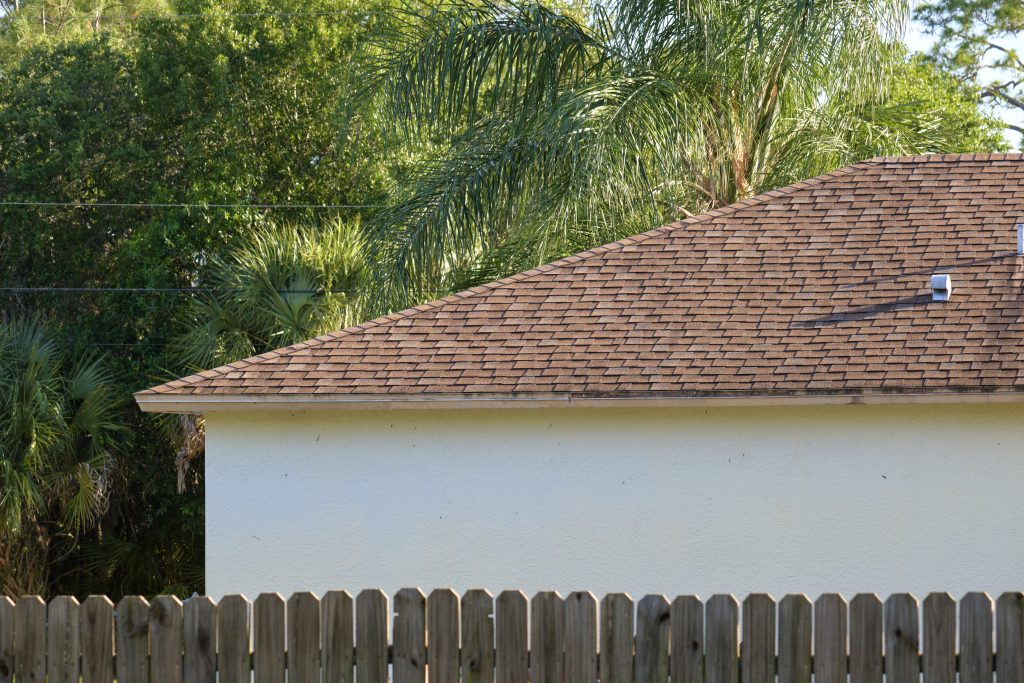
- Hip Roofs (The Gold Standard): Roofs with multiple slopes, specifically the hip roof (where all sides slope downwards to the walls), perform the best in high winds. While traditional gable roofs (two sloped sides with flat ends) are popular, they catch wind easily and will not be as effective as a hip roof with a moderate 30-degree slope.
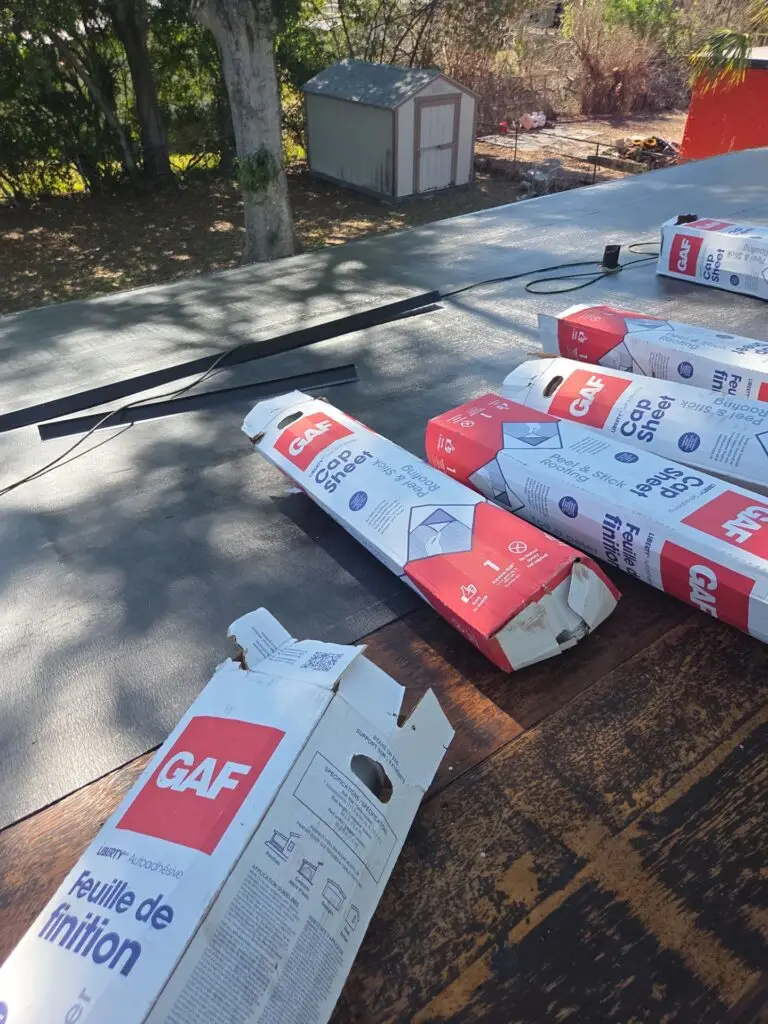
- The Problem with Flat Roofs: Are flat roofs good for hurricanes? If you are left with a choice between a flat roof and a moderately pitched hip roof, experts will always recommend the hip roof. While a properly engineered flat roof can resist wind uplift, high winds can be highly damaging to flat roofs if the edge flashing is compromised. Furthermore, flat roofs have a major disadvantage during storms: they are highly prone to pooling water and severe leaks during torrential hurricane rains.
The Crucial Need for Strong Connections
When building a structure to withstand storms, the walls, roofs, and foundation must have incredibly strong, continuous connections (a continuous load path).
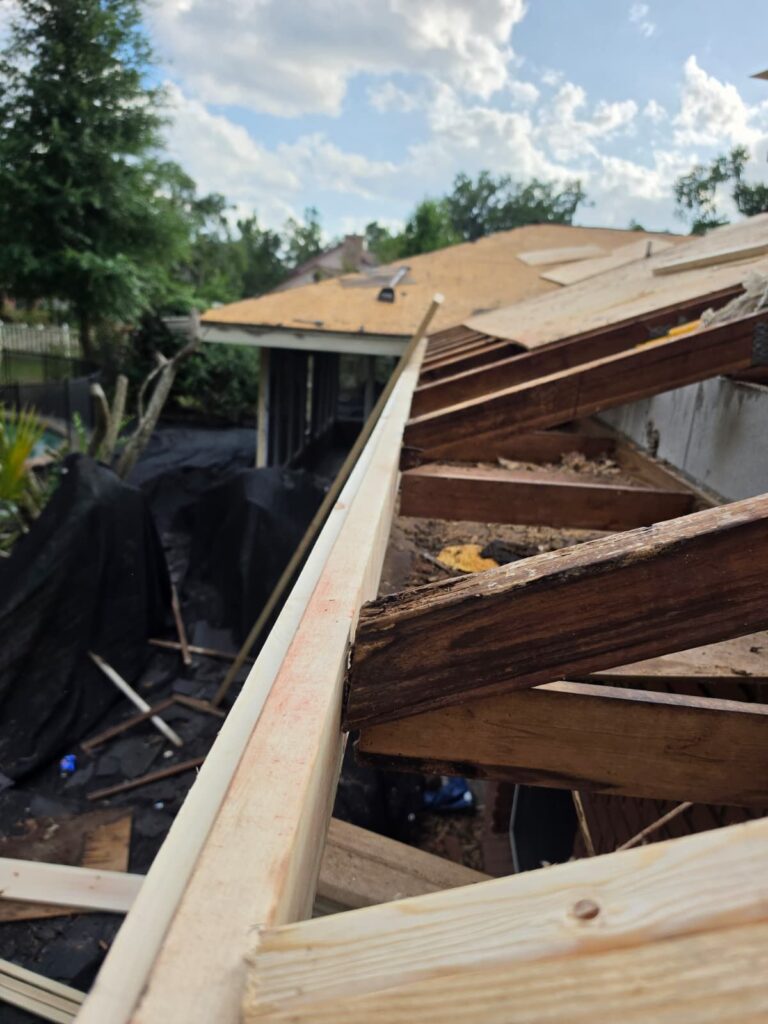
Often, structural failure during a hurricane does not happen instantly; it is progressive. For instance, when the roof isn’t strongly connected to the wall using steel hurricane clips, it leaves the wall vulnerable to wind uplift. When the roof lifts off, the walls lose their primary support, resulting in the total collapse of the structure. Therefore, while considering your home design and roof types is excellent, you must entrust the construction or renovation into the hands of a reputable contractor who understands load paths.
Build a Stronger Roof With Certified Roofers
Are you concerned about the safety of your home during a hurricane? Speak with the experts at Certified Roofers & General Contractors, Inc. for more information on the home shapes and roofs that hold up best in extreme weather.
Whether you need professional roofers for your new home build or need to reinforce your existing structure, our experts deliver the best services in the area. We guarantee a top-notch job that will help you stay safe during hurricane season.
Need further details on questions like how a flat roof affects your homeowner’s insurance, or want to explore metal roofing options? Contact us today at (813) 643-8333 or request a free quote online!